Manhole Inspection in Dorset
Get in touchAt Emergency Drain Services, we provide structured manhole inspection services for residential, commercial, and public properties in Dorset DT11 7 and across the UK.
Manholes offer essential access points for monitoring underground drainage conditions and system performance.
Regular inspections help identify developing blockages, structural damage, or flow issues before they escalate.
This supports proactive maintenance, reduces emergency incidents, and assists with health, safety, and environmental compliance.
How Often Should Manholes Be Inspected Across Sites in Dorset?
Manhole in Dorset for domestic properties require inspections during specific problems or before property transactions, while commercial and industrial sites typically benefit from annual or biannual inspections.
This depends on property type, usage levels, and drainage complexity.
High-use or ageing drainage systems often require more frequent checks to maintain performance and meet compliance expectations.
What Is the Purpose of a Manhole Inspection for Properties in Dorset?
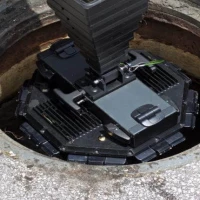
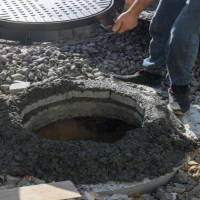
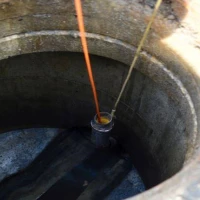
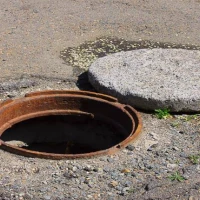
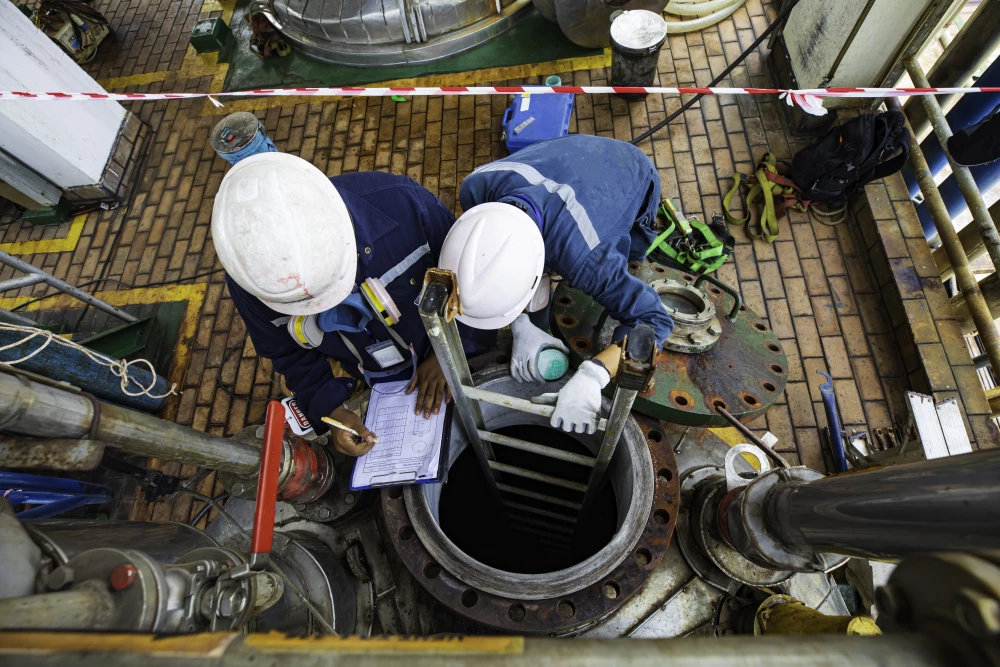
A manhole inspection in Dorset allows drainage engineers to visually assess underground drainage systems via designated access chambers.
These inspections help identify blockages, root ingress, structural defects, and waste accumulation that may restrict flow or weaken pipe integrity.
Manhole inspections are commonly used alongside CCTV surveys to build a full understanding of system condition during maintenance checks, fault investigations, or property surveys.
What Issues Can a Manhole Inspection Detect in Dorset?
Manhole inspections in Dorset can identify a wide range of drainage problems at an early stage, including:
Pipe displacement – Sections of pipe that have shifted out of alignment due to ground movement, subsidence, or poor installation, which can restrict flow and increase failure risk.
Root penetration – Tree or shrub roots entering joints or cracks in pipework, gradually causing blockages, leaks, and structural weakening.
Scale build-up – Mineral deposits and hardened residue accumulating on internal pipe walls, reducing diameter and slowing wastewater flow.
Corrosion – Deterioration of pipe materials, particularly in older metal or concrete systems, leading to thinning walls and potential collapse.
Cracking – Fractures in pipes or manhole chambers that allow water leakage, soil ingress, and long-term structural damage.
Debris accumulation – Build-up of silt, waste, grease, or foreign objects that can obstruct flow and cause recurring blockages.
Illegal or incorrect connections – Misconnected pipes or unauthorised connections that overload the system, create backflow risks, or breach regulations.
How Much Does a Professional Manhole Inspection Cost in Dorset?
The cost of a manhole inspection in Dorset ranges from £75 to £300, depending on access requirements, number of chambers, and whether CCTV surveying is included.
Commercial or complex sites with multiple access points may incur higher costs due to time, reporting, and safety requirements. Emergency or out-of-hours inspections can also affect pricing.
Contact Emergency Drain Services to get customised prices for manhole inspection at your property.
Do Manhole Inspections in Dorset Include CCTV Drain Surveys?
Many manhole inspections in Dorset are combined with CCTV drain surveys to provide detailed internal footage of pipework beyond the chamber itself.
Cameras are deployed through the manhole to capture real-time visuals, helping identify hidden cracks, partial blockages, or misaligned joints. This combined approach improves diagnostic accuracy and supports informed repair planning.
Is Manhole Access Required for All Underground Drain Inspections in Dorset?
Manhole access is often essential for conducting thorough underground inspections in Dorset.
Without accessible chambers, engineers may be limited in their ability to deploy CCTV equipment or carry out visual checks. Where manholes are buried or obstructed, locating and exposing them is usually the first step. Properties without manholes may require alternative access points, though these are typically less efficient.
Are Manhole Inspections a Legal Requirement for Properties in Dorset?
While manhole inspections themselves may not always be legally required, they are frequently part of regulatory compliance for commercial and industrial premises in Dorset.
Businesses producing trade waste or operating under environmental permits often need inspection records to demonstrate compliance. Landlords and developers also rely on inspection logs for insurance, maintenance records, and property management purposes.
What Equipment Is Used During Manhole Checks in Dorset?
Manhole inspections in Dorset are carried out using specialist equipment designed to ensure accurate assessment and safe access, including:
Lifting keys – Used to safely remove heavy manhole covers without causing damage or strain.
Gas detectors – Monitor hazardous gases within chambers to ensure a safe working environment before and during inspection.
High-powered lighting – Provides clear visibility inside dark chambers and pipe inverts to identify defects or blockages.
CCTV cameras – Allow real-time visual inspection of connected pipework to detect cracks, obstructions, or misalignments beyond the chamber.
Harnesses – Provide secure support for engineers when working at depth or entering confined spaces.
Tripods – Used in conjunction with harnesses for safe lowering and retrieval in deeper manholes.
Confined-space safety gear – Includes protective clothing and access equipment required to meet health and safety regulations for enclosed environments.
Do Commercial and Industrial Sites in Dorset Need Routine Manhole Inspections?
Commercial and industrial sites in Dorset benefit greatly from routine manhole inspections, particularly those with large drainage networks or high water usage.
Regular inspections help minimise downtime, support compliance, and reduce the risk of flooding or hygiene issues. This is especially important for sectors such as food service, manufacturing, healthcare, and logistics, where drainage reliability is critical.
Contact Emergency Drain Services to arrange a professional manhole inspection for your property.
Related Drainage Inspection & Repair Services in Dorset
Manhole inspections identify hidden drainage defects, wastewater restrictions, structural pipe damage, and underground access issues affecting residential and commercial drainage systems.
Manholes provide direct access to underground drainage infrastructure, allowing engineers to assess wastewater flow, blockage severity, pipe condition, and underground drainage performance safely and accurately.
Drainage systems requiring manhole inspections often experience blocked drains, overflowing wastewater, foul odours, standing water, and underground drainage restrictions requiring emergency drain unblocking, same-day drain unblocking, high-pressure drain jetting, and professional drain cleaning to restore safe wastewater flow and reduce contamination risks.
Underground drainage defects identified during inspection commonly require CCTV drain surveys before drain repairs, drain relining, or drain excavation services can restore underground pipe integrity and long-term drainage system performance.
Commercial sites affected by wastewater overflow, drainage restrictions, or underground contamination may additionally require commercial drainage services and grease trap cleaning because restricted wastewater systems and underground drainage defects can disrupt operations and increase environmental compliance risks.
Residential properties affected by overflowing surface drains, blocked gullies, or standing water may also require professional gully cleaning, domestic drainage services, and soakaway solutions to improve surface water management and reduce flooding risks around the property.
Underground drainage systems affected by invasive root growth may require root removal from drains before structural remediation work begins safely. Properties operating private wastewater systems may additionally require septic tank servicing and drain mapping services to identify underground pipe layouts, wastewater flow direction, and hidden drainage infrastructure defects affecting long-term system performance.
We cover Dorset
Get in touch
Skip to
Gallery